KOS | KING OF STEAM
THE FUNNEL THAT FILLS THE GAP
THE GAP
Keep your brand global. Bring your American production closer to your American customer.
If you have customers in America, count what the distance costs you: tariffs, customs and brokerage fees, fuel-sensitive freight, and inventory tied up between ports and warehouses. Meanwhile, AI is changing design, marketing and customer service—but your customer still needs a physical garment delivered. The KOS Bridge brings qualifying apparel production inside the United States, closer to your American buyers. That can remove the finished garment’s international crossing, reduce overseas freight exposure and shorten the route to delivery. Start with one product. Let’s compare the actual delivered cost.
What distance costs your business
FOUR COSTS. ONE CHANGING MARKET.
Tariffs
THE FINISHED GARMENT
Compare the duties on your current imported garment with qualifying U.S. production. Rates depend on the product, origin and applicable trade provisions.
Border fees
THE CUSTOMS CROSSING
Entry, brokerage and bond charges add to imported orders. Domestic shipment of a U.S.-produced garment avoids that finished garment’s import entry.
Freight
THE LONG ROUTE
Overseas freight and fuel surcharges add cost and uncertainty. Producing closer to American customers can reduce exposure to that international leg.
Inventory
THE TIME BETWEEN
Ports, storage and long replenishment cycles tie up working capital. Local production and smaller runs may shorten the route, while domestic delivery and fulfillment still need planning.
AI
THE PHYSICAL PRODUCT
AI is changing design, marketing and customer service. Your customer still needs a physical garment delivered. KOS connects the production step with that real-world demand.
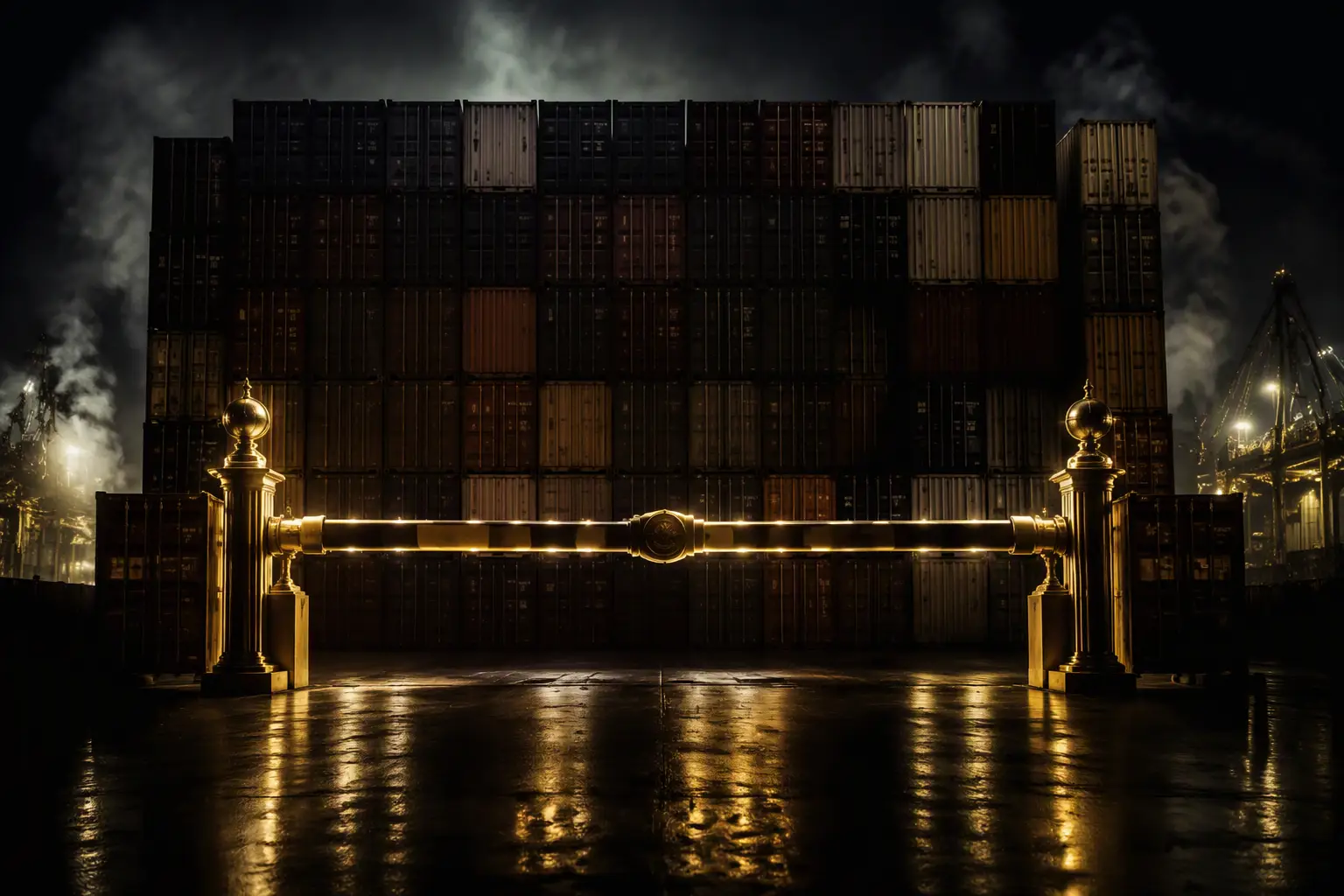
The cost at the border
The customs barrier illustrates the extra cost between a finished garment and its customer. Producing qualifying garments in the United States can remove that finished product’s international crossing. Imported fabrics and components may still carry duties.

A route to the American market
Keep your brand and customer relationships. Explore U.S. production for qualifying American orders. Bring us one product, its specifications and your delivery needs so we can compare production, freight and fulfillment costs.
The Qualifier
SHOW US WHAT YOU HAVE
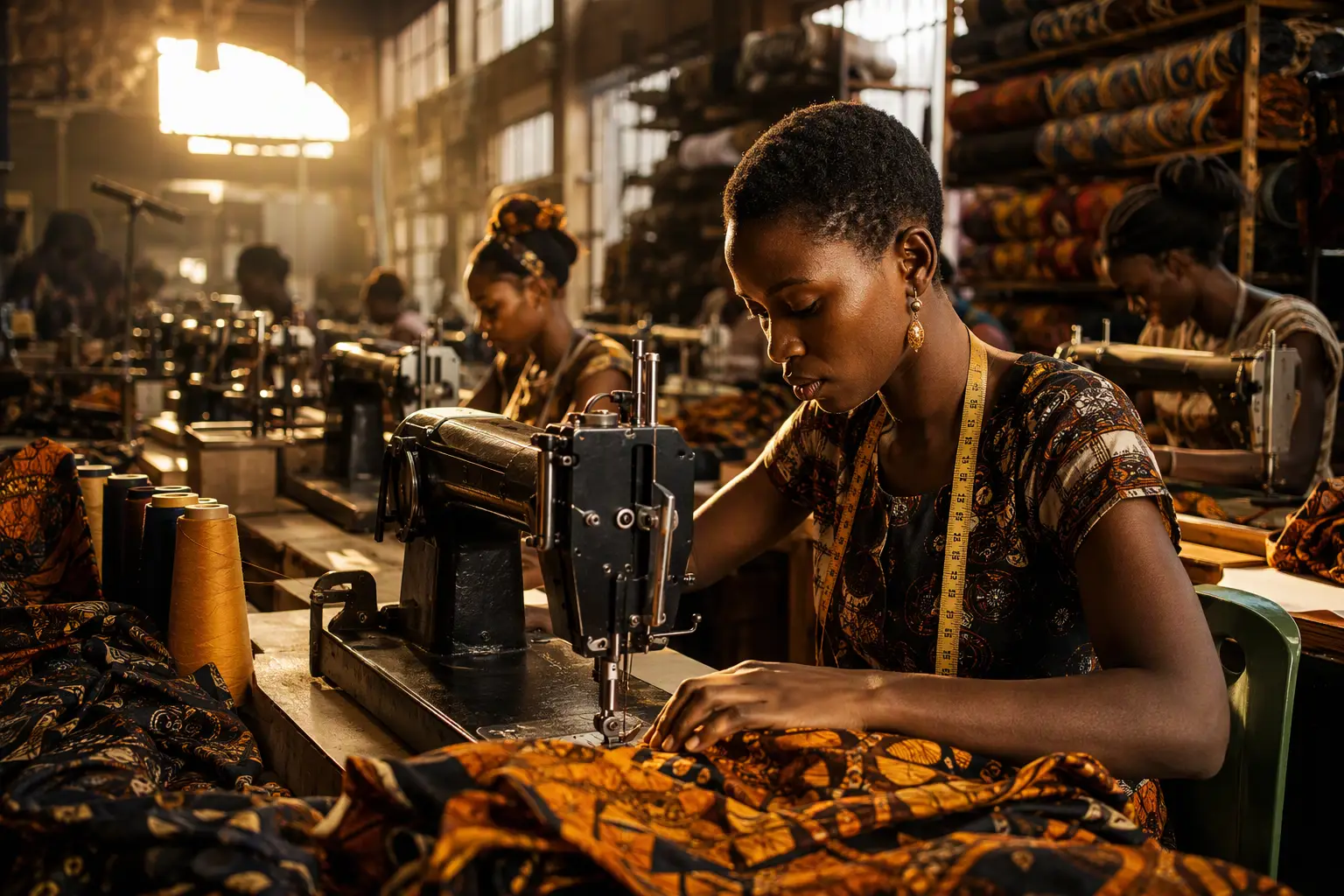
Your skills. Your products. Your next market.
Every field below does one job: it tells the American market who you are and what you can produce. Complete it fully. Entries that cannot describe their own value do not move forward.